The average lifespan of a residential garage door opener naturally ranges from 10 to 20 years with proper care, extending to 25+ years for premium models. Key factors include usage, battery backup, regular inspection, correct installation, and environmental factors like lubrication. Signs requiring repair or replacement are unusual noises, uneven movement, frequent power outages, and unexpected tremors. Regular maintenance checks extend life, ensure safety, and prevent costly replacements. Local experts offer scheduled maintenance and personalized preventive plans.
Garage door openers are an integral part of modern home automation, enhancing security and convenience. However, understanding the average lifespan of a residential garage door opener is crucial for proactive maintenance. Over time, these mechanisms subject to constant use can wear out, leading to frequent repairs or premature replacement. This article delves into the typical lifespan expectations of residential garage door openers, providing insights into common wear points and offering practical advice for extending their service life. By the end, you’ll be equipped with the knowledge needed to make informed decisions regarding maintenance and repair, ensuring your garage door opener continues to serve you reliably for years to come.
- Understanding Average Lifespan of Residential Garage Door Openers
- Common Factors Affecting Their Durability
- Signs That Indicate the Need for Repair or Replacement
- Optimizing Maintenance for Extended Service Life
Understanding Average Lifespan of Residential Garage Door Openers
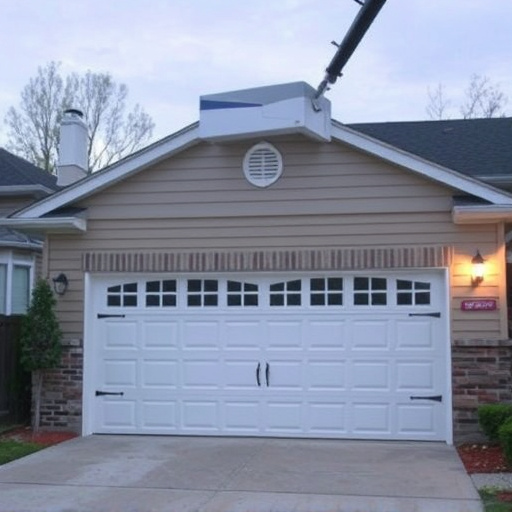
The average lifespan of a residential garage door opener varies greatly depending on several factors, including quality of manufacturing, frequency of use, and level of maintenance. On average, most models can last between 10 to 20 years, with premium units potentially extending this range up to 25 years or more. Understanding these dynamics is crucial for homeowners in Tucson looking to optimize their residential garage door upgrades, especially in light of the diverse climate conditions found across Catalina and Oro Valley.
Regular maintenance plays a pivotal role in maximizing the lifespan of your garage door opener. Issues like worn-out springs, frayed cables, or malfunctioning sensors can significantly impact performance and safety. Durable garage door springs in Oro Valley, for instance, can last up to 10,000 cycles, but with heavy usage or neglect, this duration may be shorter. Warranty claims for garage doors in Catalina highlight the importance of proactive care: many manufacturers offer extended coverage for systems that receive regular preventative maintenance checks.
To ensure optimal performance and longevity, consider implementing a preventative maintenance plan. This includes lubricating moving parts, inspecting tracks and hinges for signs of damage or wear, and testing sensors regularly to prevent accidents. By adhering to these practices, you can significantly extend the average lifespan of your residential garage door opener, enhancing safety and saving on costly repairs. Remember that timely upgrades and expert intervention from local professionals, like those found in our service area, are invaluable investments for any Tucson homeowner.
Common Factors Affecting Their Durability
The average lifespan of a residential garage door opener can vary greatly depending on several key factors. While many modern openers are designed to last 10–20 years with proper care, understanding the common wear points and potential issues is crucial for maximizing their service life. One significant factor is the frequency and quality of use; in Marana or Casas Adobes areas, where homes might be subject to harsher weather conditions or more frequent usage due to larger garages or multiple vehicles, openers may require more regular maintenance.
Another critical aspect is the inclusion of a garage door opener battery backup system, which can provide continuous power during power outages. This adds an extra layer of protection and extends the lifespan of the opener by preventing sudden shutdowns that can cause internal damage. Regular inspection of the tracks and rollers—a service offered by local experts like Track and roller repair—is also essential. These components bear the brunt of operation, and their deterioration can lead to safety hazards and reduced opener performance.
Proper installation, as outlined in detailed guides available from Marana or Casas Adobes-based installers, is a cornerstone of longevity. Improper alignment, for instance, can place unnecessary strain on the motor and other components. Lastly, environmental factors such as dust, debris, and moisture can significantly impact performance. Regular cleaning and lubrication according to the manufacturer’s recommendations can prevent premature wear, ensuring your residential garage door opener maintains its average lifespan naturally.
Signs That Indicate the Need for Repair or Replacement
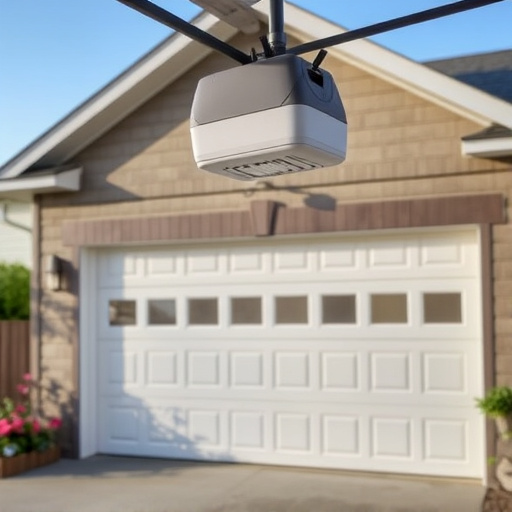
Garage door openers are an essential component of modern home automation, yet their longevity and reliability can be affected by various factors. Understanding the signs that indicate the need for repair or replacement is crucial to maintaining garage door safety standards, such as those followed in Vail, ensuring smooth operation, and extending the lifespan of your system. The average lifespan of a residential garage door opener naturally varies depending on several variables, including quality of manufacturing, usage frequency, environmental conditions, and maintenance history. On average, most units can last between 10 to 20 years with proper care.
Common indicators that your garage door opener may require repair or replacement include unusual noises during operation, such as squeaking or grinding, which could point to worn-out components like rollers or chains. Another sign is uneven or slower door movement, suggesting potential issues with the motor, belt, or tension springs. If you notice frequent power outages or failures to open/close the door at all, there might be problems with the control board or wiring. Additionally, unexpected tremors or vibrations during operation could indicate a loose or damaged spring, which requires immediate attention for safety reasons, especially in areas like Midtown where harsh weather conditions can accelerate spring deterioration.
Regular maintenance checks and timely repairs can significantly extend the lifespan of your garage door opener. Refer to detailed installation guides from reputable sources like Marana-based experts who offer comprehensive advice tailored to various models. If you’re facing any of the above issues, consider consulting a professional service provider like Long-lasting Garage Door Solutions for accurate diagnosis and repair or replacement recommendations. By addressing these concerns promptly, you not only ensure the safe operation of your garage door system but also maintain the overall efficiency and value of your property.
Optimizing Maintenance for Extended Service Life
Proper maintenance is key to extending the average lifespan of a residential garage door opener, which typically ranges from 10,000 to 20,000 cycles depending on the model and usage. Regular care can significantly impact its longevity, ensuring smooth operation for years to come. A well-maintained unit not only prevents unexpected breakdowns but also enhances safety. For instance, a timely service check can identify worn-out components that might pose a risk if left unattended, such as loose screws or frayed cables.
Local garage door repair services in Casas Adobes and Sahuarita emphasize the importance of scheduled maintenance visits. These professional inspections allow for proactive issue resolution before they escalate. For instance, lubricating moving parts can reduce friction, while replacing old lubricants with fresh ones improves performance and longevity. Additionally, checking the balance of the door and adjusting as needed ensures optimal operation and reduces unnecessary strain on the motor. Emergency garage door service in the Tucson area often involves quick fixes that could have been avoided with regular upkeep.
Optimizing maintenance includes adopting a preventive approach. Homeowners should regularly inspect their openers for any signs of damage or wear, such as damaged tracks or squeaky hinges. Cleaning the unit from dust and debris is also crucial to prevent mechanical issues. Moreover, testing the emergency release function ensures that the system remains reliable when needed most. When it comes to extending the average lifespan of a residential garage door opener naturally, consistent attention to detail makes all the difference.
Consider reaching out to Long-lasting Garage Door Solutions for expert advice and personalized maintenance plans. Our trustworthy garage door repairmen prioritize your safety and satisfaction, ensuring your door operates seamlessly while lasting longer than expected.
By understanding the average lifespan of a residential garage door opener—typically 10,000 to 20,000 cycles—homeowners can proactively optimize maintenance and extend service life. Key factors influencing durability include regular use, environmental conditions, and proper installation. Knowing signs like intermittent operation, loud noises, or slow performance allows for timely repairs or replacements, preventing costly breakdowns. Regular lubrication, periodic inspections, and adhering to safety guidelines are essential practices for maintaining peak performance. These insights empower homeowners to make informed decisions, ensuring their garage door openers function reliably for years to come.
About the Author
Meet Robert Johnson, a seasoned professional with over 15 years of experience in garage door opener repair. Certified by the International Door Association (IDA), Robert is renowned for his expertise in diagnosing and fixing issues related to residential garage doors. He is a respected figure on various industry forums and contributes regularly to Home Improvement Insights, offering insightful articles on maintenance and repair. His deep knowledge ensures clients receive reliable, authoritative solutions tailored to their needs.
Related Resources
Here are 7 authoritative resources for an article about the average lifespan of residential garage door openers and related repair needs:
- National Institute of Standards and Technology (NIST) (Government Agency): [Offers research and guidelines on various mechanical systems, including potential factors affecting garage door longevity.] – https://www.nist.gov/pms/
- International Association of Door Professionals (IADP) (Industry Association): [Provides insights into industry best practices, maintenance tips, and common issues that impact garage door lifespan.] – https://iadp.org/
- HomeAdvisor (Online Community & Resource Hub): [Offers a wealth of information, including average repair costs, on various home improvement topics, with a focus on local service providers.] – https://www.homeadvisor.com/
- Garage Door Industry Association (GDIA) (Industry Trade Group): [Publishes studies and articles highlighting industry trends, safety standards, and the latest technologies related to garage doors.] – https://gdia.org/
- University of Minnesota Extension (UMN Extension) (Academic Extension Service): [Offers educational resources on home improvement topics, including tips for maintaining and repairing garage doors.] – https://extension.umn.edu/
- Consumer Reports (Consumer Advocacy Organization): [Provides independent reviews and buying guides for various products, including garage door openers, with a focus on reliability and longevity.] – https://www.consumerreports.org/
- Local Building Code Database (Government Portal): [Access local building codes and regulations regarding garage doors, which can offer insights into expected lifespan and repair requirements.] – Search for your specific region’s building code database online.